
Menopause, Midlife & Movement Assessment
If you’re going through the effects of perimenopause or menopause, the main thing to take away is this – what you’re experiencing isn’t random – and it’s not something you have to just put up with.
At O-health, our Physiotherapists and Osteopaths run a specialised Menopause, Midlife & Movement assessment to help you understand what’s changing in your body, and build a plan to move well through this stage of life. Book in today.
The Menopause, Midlife & Movement assessment:
O-healths menopause, midlife and movement assessment is a specialised assessment for women in perimenopause, menopause, or those wanting to proactively prepare for this stage of life.
We focus on the musculoskeletal changes that come with menopause — the shifts in strength, bone health and recovery — with evidence-based education, personalised treatment and practical strategies to help you move well now while building strength, confidence and resilience for the decades ahead.
The assessment covers three key areas:
1). Understanding Menopause
Your clinician will provide you with with a clear understanding of why you’re experiencing these musculoskeletal changes, and the strategies we’ll use to help you manage them.
- Understanding menopause and perimenopause
- The musculoskeletal system and menopause
- Why aches, stiffness, and slow recovery occur
- Understanding what is common, what is expected, and may require further investigation.
2). Moving Well Today
Our second focus is on where you’re at now and your immediate goals. This includes how you’re moving, what’s limiting you, and what you’re hoping to be able to do.
- Taking a detailed history
- Discussion of current aches, pains, and symptoms
- Assessment of movement and function
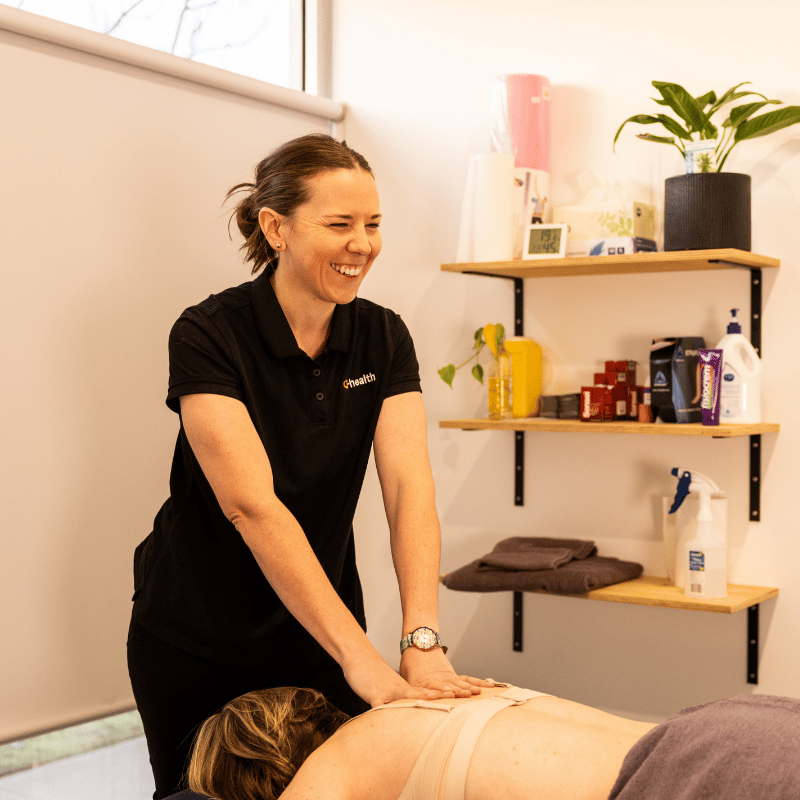
- Individualised treatment
- Personalised O-health roadmap for recovery, strengthening, and living better through menopause
3). Building Your Plan
Here, we shift the conversation beyond symptom management, and focus on healthy ageing and pro-active next steps.
Rather than simply treating today’s concerns, the discussion centres around helping you maintain strength, independence, and confidence for the decades ahead. We’ll discuss and go into topics such as:
- Healthspan v Livespan: How long we remain healthy, active, and independent
- Why Strength Matters: Why we train to prevent frailty before it occurs
- Bone Health: The importance of bone health for conditions including osteoporosis and osteopenia
Evidence-Based Assessment
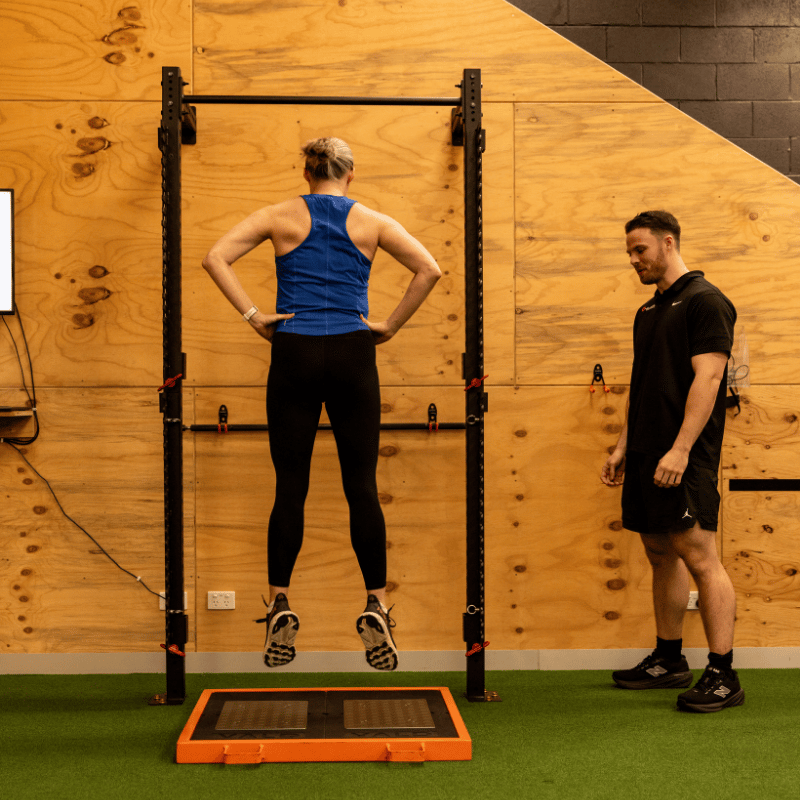
Lastly, you’ll complete a standardised objective assessment using our VALD technology. This will provide an objective baseline that can be re-tested over time to demonstrate improvements in strength and function.
The Musculoskeletal Syndrome of Menopause
During perimenopause and menopause, your body goes through real physical changes that affect strength, bone health, energy and recovery. That’s often why things start to feel different, even if your routine hasn’t changed.
A few things are worth keeping front of mind:
- Menopause isn’t just hormonal – it affects your muscles, joints and bones
- Changes in strength, stiffness and recovery are common
- What you do during this stage has a direct impact on your long-term health
- Staying active helps, but targeted strength training is what really makes the difference
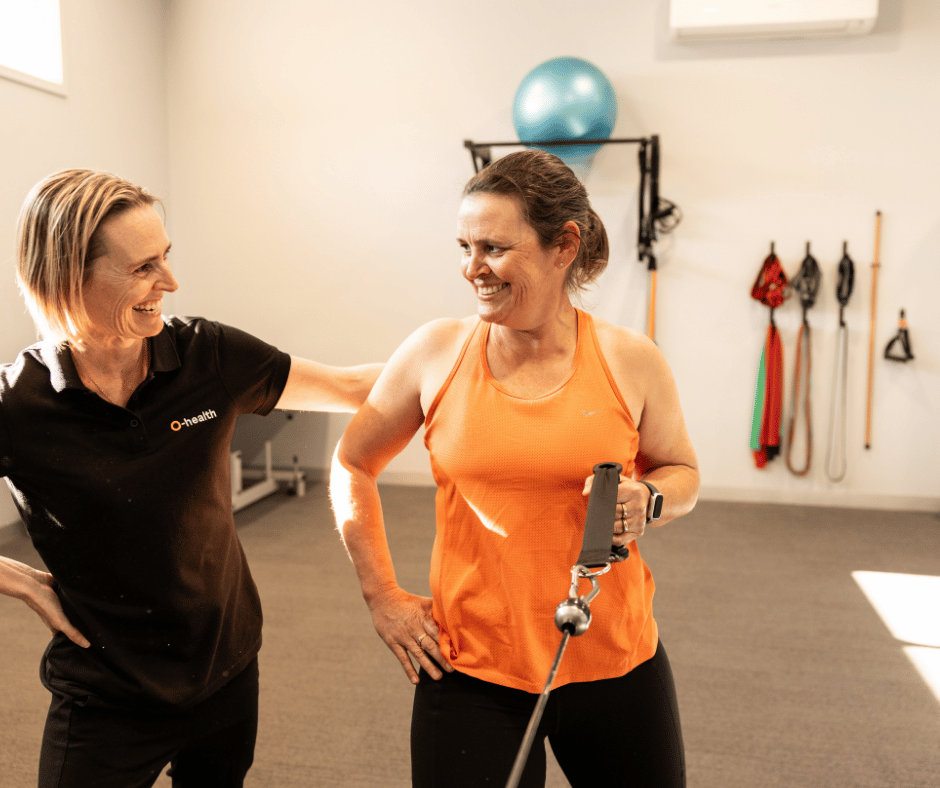
Research like the LIFTMOR trial (2015) has shown that supervised strength training – including heavier lifting and some impact work – can improve bone density, increase strength and support overall function in postmenopausal women.
What you’ll leave your assessment with:
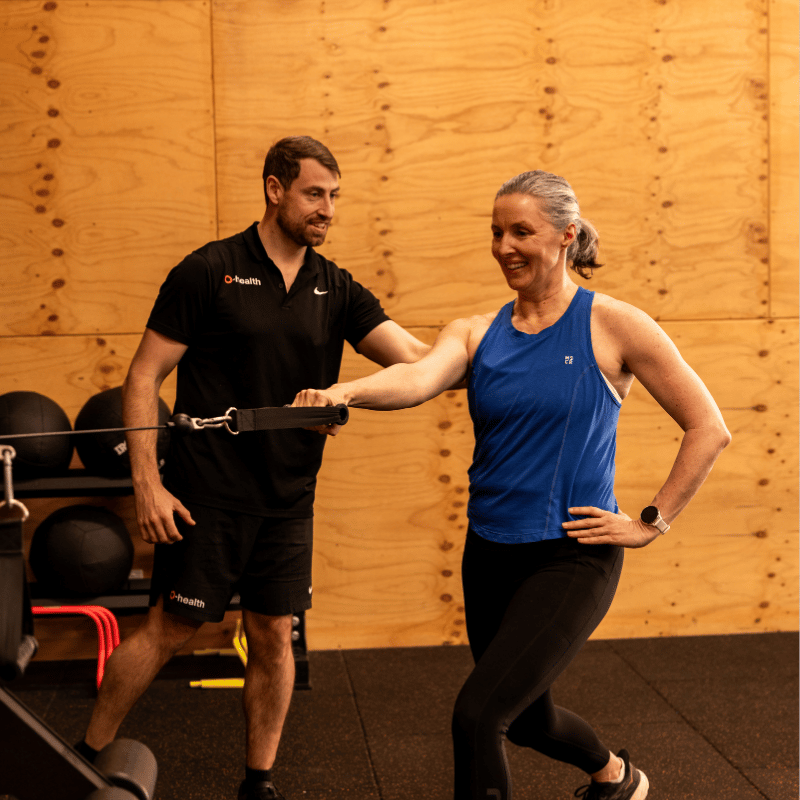
The Menopause, Midlife & Movement assessment’s role is to educate, test and prescribe the best care pathway for you. It’s not a one-size-fits-all plan, it’s built around your body, your goals, and where you want to be.
After your assessment, you’ll leave with:
- A better understanding of what’s happening in your body.
- Confidence in managing your current concerns
- A personalised plan based on your results, needs, and goals.
- Clear recommendations for the most appropriate next steps.
For some of you, education and re-assurance might be all that you need at this point. But for others, additional recommendations may include:
- Ongoing physiotherapy or osteopathy appointments to manage concerns
- Referral to our exercise physiology team
- Referral to specialists
- A 12-week O-gym program
- GP review
- DEXA scan
Book your assessment today.
Further Reading & Trusted Resources
If you’d like to explore further, these are good, reliable places to start:
Books:
- ‘It’s the Menopause‘ – Kaz Cooke
- A practical, relatable, and often humorous guide to navigating menopause.
- ‘The M Word‘ – Dr Ginni Mansberg
- Clear, evidence-based advice from an experienced GP.
- ‘The Menopause Brain‘- Dr Lisa Mosconi
- A deep dive into how menopause affects brain health, mood, and cognition.
Online: