
Why Knee Pain Keeps Coming Back
Knee pain is something we see every day in clinic, and more often than not it doesn’t start with a major injury. It usually begins as something small – a bit of stiffness after a run, discomfort going up and down stairs, or a knee that just doesn’t feel quite right anymore.
At first, it’s easy to ignore. It might settle for a few days, only to come back again when activity picks up. Over time, that cycle of “better, then worse again” is what brings most people in.
The knee itself is a complex joint, but in many cases the issue isn’t just the knee in isolation. What we’re often looking at is how the body is handling load, how well the surrounding muscles are supporting the joint, and whether anything in the way you’re moving has changed over time. When those factors aren’t quite right, the knee tends to be where it shows up.
Types of knee pain we commonly see
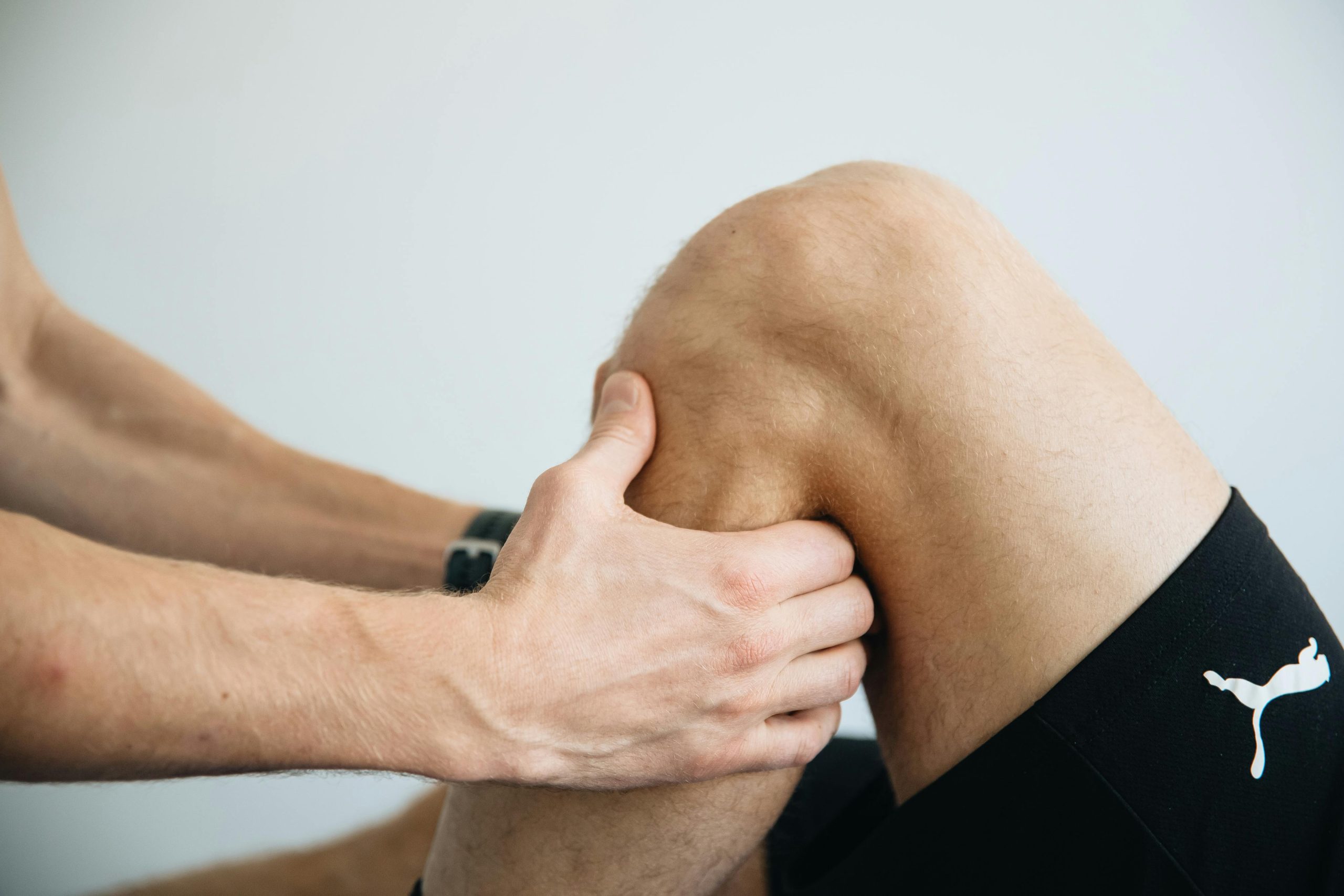
Knee pain doesn’t tend to show up in just one way. It usually falls into a few broad patterns, depending on how it started and what’s driving it.
Some of the more common presentations we see include:
Acute injuries
These are the ones people tend to notice straight away often linked to a specific moment, like twisting, landing awkwardly, or a direct impact. This can include ligament injuries (like ACL), meniscus tears, or less commonly fractures and dislocations. Pain is usually immediate, often with swelling and difficulty moving or loading the knee.
Overuse or load-related pain
This is probably the most common type we see. It tends to come on more gradually – a knee that becomes sore during or after activity, then starts to linger. Conditions like patellofemoral pain, tendinopathy, bursitis or IT band-related pain often sit in this category. It’s usually linked to changes in training, sport, or activity levels.
Longer-term or degenerative conditions
This includes things like osteoarthritis, where the knee can feel stiff, particularly after rest, and take longer to loosen up. Pain can build gradually over time and may fluctuate depending on activity levels. Other conditions like rheumatoid arthritis or gout are less common but can also present with ongoing pain and inflammation.
Most people don’t fit neatly into just one category.
Often, it’s a combination of factors – a change in load, a bit of underlying stiffness, and the knee simply not having the capacity to handle what’s being asked of it.
Why knee pain doesn’t always resolve on its own
A common approach is to rest, modify activity, or wait it out. And sometimes that’s enough, particularly in the early stages.
However, when something keeps coming back or never quite settles, it’s usually a sign that the underlying issue hasn’t been addressed. The pain might reduce, but the reason it started in the first place is still there.
Over time, people naturally adapt. They might shift their weight slightly, avoid certain movements, or rely more on other areas of the body to get through their day or training. These adjustments are often subtle, but they can lead to increased load elsewhere and a gradual build-up of stress through the joint.
That’s why many knee problems don’t feel like they come “out of nowhere.” In reality, they’ve often been developing in the background for some time.
The role of early assessment
Getting the right advice early can make a significant difference.
An assessment isn’t just about identifying what structure might be irritated or injured. It’s about understanding why that area is being overloaded and what needs to change to allow it to settle and stay settled.
In some cases, the solution is relatively simple – a small change to training, a short period of modification, or a few targeted exercises. In others, it becomes clear that the knee needs more support through improved strength, control, or movement patterns.
Either way, clarity is what allows you to move forward with confidence, rather than guessing or constantly managing flare-ups.
Why symptom relief isn’t the end point
One of the biggest reasons knee pain returns is that treatment often stops once symptoms improve.
While settling pain is an important first step, it doesn’t necessarily mean the knee is ready to handle the demands being placed on it. If strength, control, and overall capacity haven’t been rebuilt, the same issue can easily reappear when activity levels increase.
This is where a more structured approach becomes important. Gradually building strength around the knee, improving how the body manages load, and progressing back into sport or activity in a controlled way is what creates longer-term change.

How we approach knee pain at O-health
At O-health, we focus on more than just reducing pain in the short term.
Care usually starts with a physiotherapy or osteopathy assessment to understand what’s driving the issue. From there, the plan often progresses into exercise-based rehab, where strength and capacity are built over time. For many people, this continues into more structured work in the gym, helping them return to activity with confidence and reduce the likelihood of the same problem coming back.
This integrated approach means you’re not just managing symptoms – you’re addressing what’s underneath them.
When to get your knee checked
If your knee pain keeps coming back, hasn’t improved over a few weeks, or is starting to change the way you move, it’s time to get it looked at.
The earlier you understand what’s going on, the easier it is to deal with and the less likely it is to become something that limits you longer term.
Taking the next step
If something has been lingering, getting a clear plan can make all the difference.
Booking an appointment is less about treatment straight away and more about understanding your situation properly and knowing what to do next.
From there, you can move forward with a plan that actually addresses the problem, rather than just working around it.