
Train Smarter, Move Better, Perform Stronger
Pre-season is the moment where smart preparation pays off. Whether you’re a youth athlete gearing up for 2026, a weekend warrior returning to sport, or an active adult preparing for summer activity, the goal is the same: build a stronger, more resilient body that can handle the load ahead.
At O-health, our integrated approach to strength, mobility and conditioning helps you reduce injury risk, boost performance, and feel confident heading into the season. This blueprint gives you evidence-based, practical steps to train smarter – not harder.
Why Pre-Season Matters
Pre-season isn’t about going harder, it’s about building the foundation your body needs to perform well and stay injury-free all season. Whether you’re returning to sport, gearing up for summer activity, or helping a young athlete prepare, smart preparation reduces injury risk, improves performance, and helps you handle higher training loads.
The Three Pillars of Smart Pre-Season Training
- Strength – Building muscle capacity that protects joints and absorbs load.
- Mobility – Improving movement quality to reduce compensations and prevent strain.
- Conditioning – Preparing your cardiovascular system for speed, endurance, and intensity.
These pillars work best together, not in isolation.
Strength: Your Injury-Prevention Insurance Policy
Strength training is the most effective way to reduce injury risk. For youth and adults alike, research shows that increasing force production and control around major joints (knees, hips, shoulders, ankles) improves performance and resilience.
What to focus on:
- Lower-body strength: squats, lunges, deadlifts, calf raises
- Explosive power: jumps, hops, and plyometrics appropriate to age and experience
- Core stability: anti-rotation and anti-extension exercises
- Shoulder strength: especially for throwing, swimming, racquet or overhead sports
How often:
2–3 sessions/week during pre-season, gradually increasing load.
Mobility: Move Well Before You Move More
Mobility prepares your tissues to handle higher demands. Tight or restricted hips, backs or ankles often lead to poor movement patterns that increase strain.
Key mobility areas:
- Hips: rotation, flexion and extension
- Ankles: dorsiflexion for running and jumping
- Thoracic spine: rotation for throwing and overhead movement
Best approach:
Combine mobility work with strength sessions – not as a stand-alone program.
Conditioning: Don’t Skip the Engine Work
The goal isn’t to peak early, it’s to be fit enough to train consistently without breaking down.
Conditioning targets:
- Aerobic base: steady runs, bikes, rower intervals
- Change of direction conditioning: short shuttles, accelerations and decelerations
- Sport-specific demands: intensity based on your sport (e.g., longer intervals for endurance sports; repeated sprints for field and court sports)
How to Structure a Pre-Season Week 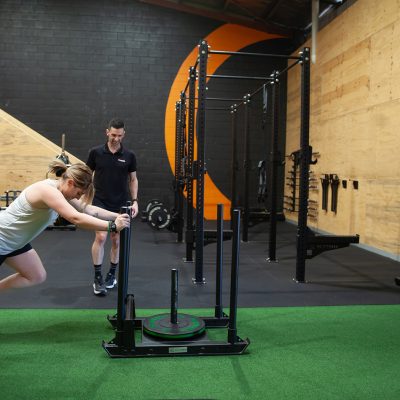
Monday: Strength + mobility
Wednesday: Conditioning + light plyometrics
Friday: Strength + mobility
Weekend: Optional skills session or low-intensity aerobic session
This balance builds capacity without overloading.
Red Flags You’re Overdoing It
Pre-season is where many athletes push too hard too soon.
Look out for:
- Persistent muscle soreness beyond 72 hours
- Sharp or localised pain
- Drop in performance or energy
- Trouble sleeping or concentrating
These are signs to adjust load or seek guidance.
When to Get a Pre-Season Screen
A movement or strength screen helps identify weak links before training ramps up, which is particularly helpful for:
- Youth athletes in growth spurts
- Athletes returning from injury
- Weekend warriors restarting after time off
- Anyone with recurring niggles
At O-health, a screen includes mobility testing, strength assessment and sport-specific demands.
Related Pages & Articles: