
Rested up but the pain keeps coming back? Here’s why rest alone won’t fix you, and the load-building approach that actually works.
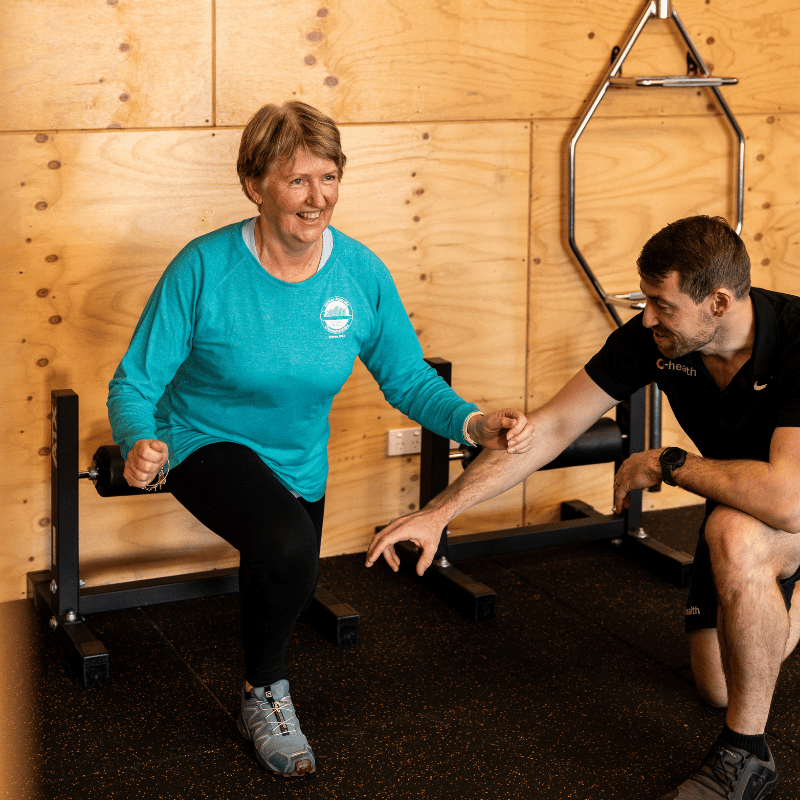
If you’ve rested, stretched, iced and waited out an injury only to have it flare up again a few months later, you haven’t done anything wrong. Rest calms things down in the short term, but on its own it doesn’t fix the real problem: a drop in your body’s capacity to cope with your normal, active life. Rebuilding that capacity through a personalised, progressive, and controlled strength & rehab program is how you begin. At O-health, this is something we specialise in and take very seriously.
The pain went away. So why did it come back?
It’s one of the most frustrating patterns in recovery. You do everything you’re told: back off the gardening, skip the long walks, avoid the thing that hurts, wait for the pain to settle, and go back to normal life. Then, a few weeks or months later, the same tweak shows up in the same spot, and sometimes worse than before.
It can feel completely random. “I was fine, then I picked up a box and my back went again.” But it isn’t random, and it isn’t bad luck. It’s usually a predictable pattern playing out below the surface.
What’s actually happening under the surface?
Think of your body’s tissues: muscles, joints, & tendons as having a functional ceiling, which is the maximum load they can currently handle. Your everyday life (work, sport, family, chores, gardening, playing with the grandkids) constantly draws on that ceiling.
When your physical capacity grows beyond what your life is asking of it, you’ve got a buffer. With a buffer, your tissues can absorb the normal ups and downs of life, like a heavy lifting day, a bad night’s sleep, an extra long day out in the sun gardening, & playing with the grandkids for longer.
Injury usually isn’t caused by one single thing you overdid. It happens when that buffer has quietly shrunk over time, through stress, poor sleep, inactivity, or simply resting for too long without rebuilding strength, until your everyday life is sitting right at the edge of your capacity. At that point, it doesn’t take much to tip you over.
The goal was never to do less forever. It’s to rebuild a higher capacity ceiling, so you’ve got a buffer for life again.
Why pushing straight back in doesn’t work either
Once the pain has settled, it’s tempting to make up for lost time. Things like pushing extra hard at training to catch up with the rest of the team, full hours, digging up the whole backyard, all at once. That’s where the second trap opens up: the push-crash cycle.
You push past your current capacity and you crash. Pain flares up, fatigue sets in and symptoms get even worse. You rest until it settles, then push again. Each cycle can actually chips away at your baseline a little further, so you’re able to do less than before.
What works is less dramatic, and far more effective: targeted, personalised, and controlled strength based exercise and rehab.
You don’t need to work this out by yourself
Frequently Asked Questions
Q: Does rest actually help with pain or injury?
A: Yes, but only in the short term. Rest reduces pain and inflammation while tissue heals. If it goes on too long without rebuilding strength and movement, though, your capacity to handle daily life actually drops, leaving you more vulnerable to re-injury, not less.
Q: Why does my pain keep coming back, even though I feel fine in between?
A: Because “feeling fine” measures pain, not capacity. Recurrence rates for conditions like lower back pain are estimated to be as high as 68%, largely because the underlying capacity never got rebuilt. The pain settled, but the buffer between what your body can handle and what your life demands didn’t get addressed.
Q: How do I know if I’m ready to do more?
A: A good treatment plan builds this in for you, starting from a clear picture of your current capacity, then increasing load gradually and predictably, rather than guessing.
Q: What does “pacing” mean in injury recovery?
A: Pacing means doing a bit less, more often, and increasing gradually, rather than swinging between doing too much (push) and doing nothing (crash). It feels slower, but it’s what produces steady, lasting improvement.
Q: When should I see a physio, osteopath, exercise physiologist or exercise scientist?
A: If your pain has settled but you’re not confident returning to sport, work tasks or the activities you love — or you’ve been through the push-crash cycle more than once, it’s worth getting a plan built around your specific capacity, not just your symptoms. We’d always recommend to book an initial assessment with our physiotherapists or osteopaths, and then they’ll set you on the right track with our exercise physiologists and exercise scientists.
Ready to rebuild your capacity?
Our team can help you understand exactly where your capacity sits today, and build a plan to progress it so you can get back to what you love, and stay there. Book an assessment with the O-health team.