
Early Joint Stiffness: Normal Ageing or Something Else?
You wake up and your knee feels stiff.
It loosens after a few minutes, so you don’t think much of it.
Or maybe your shoulder feels tight when you reach overhead. Your back takes a bit longer to settle after sitting.
Nothing major. Just… not quite right.
For a lot of people, this is where it starts.
And the question we hear all the time is:
“Is this just part of getting older?”
Sometimes, it is.
But often, it’s not that simple.
When Something Starts Lingering
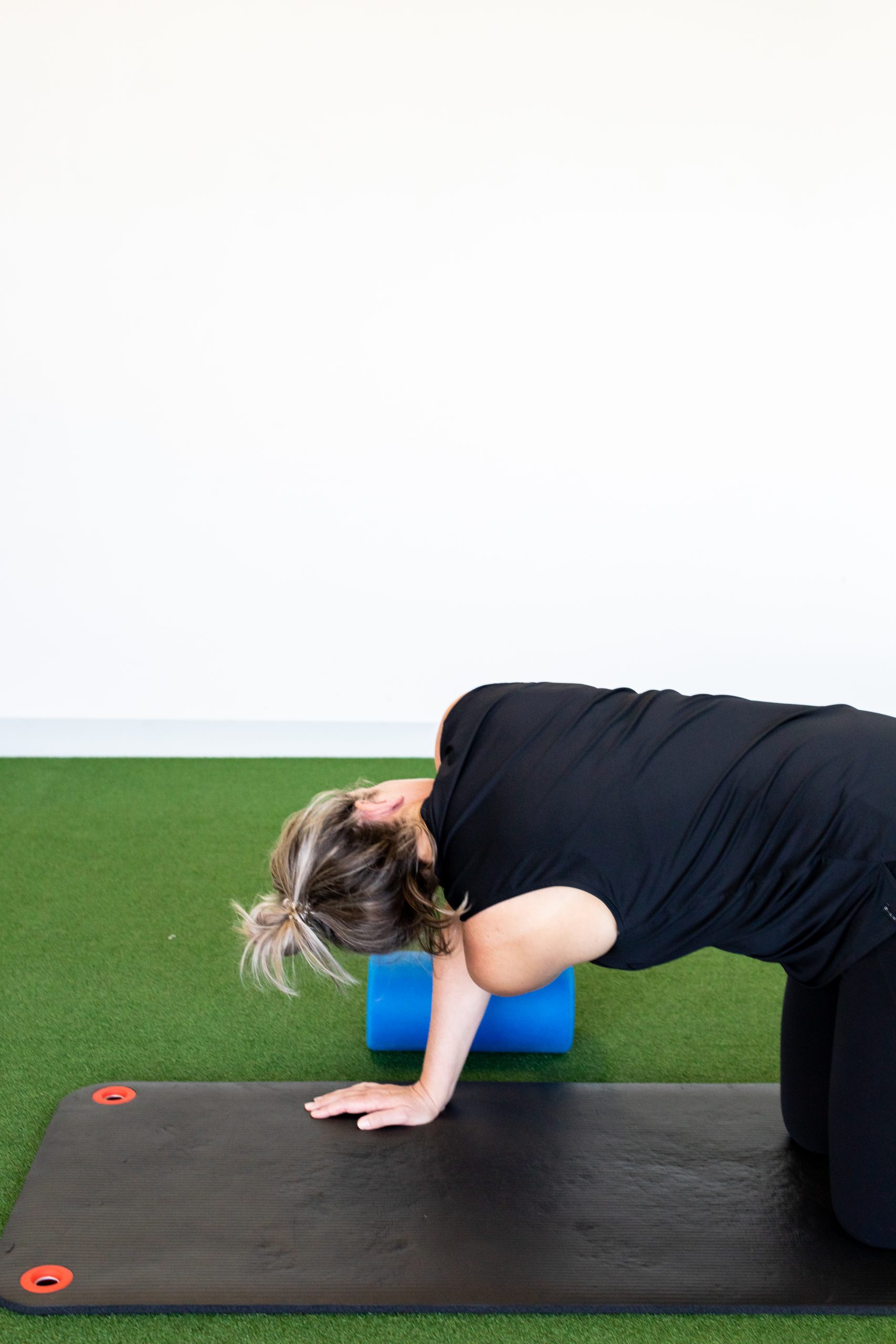
Most people don’t come in when something first appears.
They come in when it’s been there for a while.
Not bad enough to stop everything – but enough that it’s:
showing up regularly
changing how they move
or just not going away
It might be a knee that feels stiff on stairs, or a shoulder that doesn’t quite feel right at the gym. A back that’s fine… until it isn’t.
At this stage, people tend to do one of two things:
They either push through it.
Or they wait and hope it settles.
Sometimes that works.
But when it doesn’t, that’s when things start to build.
What’s Normal – and What Isn’t?
A bit of stiffness on its own isn’t necessarily a problem.
If you’ve done more than usual, started something new, or been sitting for long periods, your body will let you know. That’s normal.
What we pay more attention to is what happens next.
If things ease quickly once you get moving, that’s usually a good sign.
But if it’s:
still there weeks later
coming back every time you load it
or starting to affect how confident you feel moving
That’s when it’s worth taking a closer look.
Not because something is “seriously wrong” – but because your body is asking for a bit more support than it’s currently getting.
Why Waiting Can Backfire
Most long-term issues don’t start as big injuries, they start as something small that gets worked around.
You move slightly differently, you avoid certain positions, you ease off things you used to do without thinking.
At first, that feels manageable.
But over time, those small adjustments can lead to:
reduced strength
changes in movement patterns
and more pressure on other areas
Eventually, what started as a minor stiffness becomes something that’s harder to shift.
We see this a lot – especially in shoulders, knees and backs.
And more often than not, people say the same thing:
“I wish I’d got onto this earlier.”
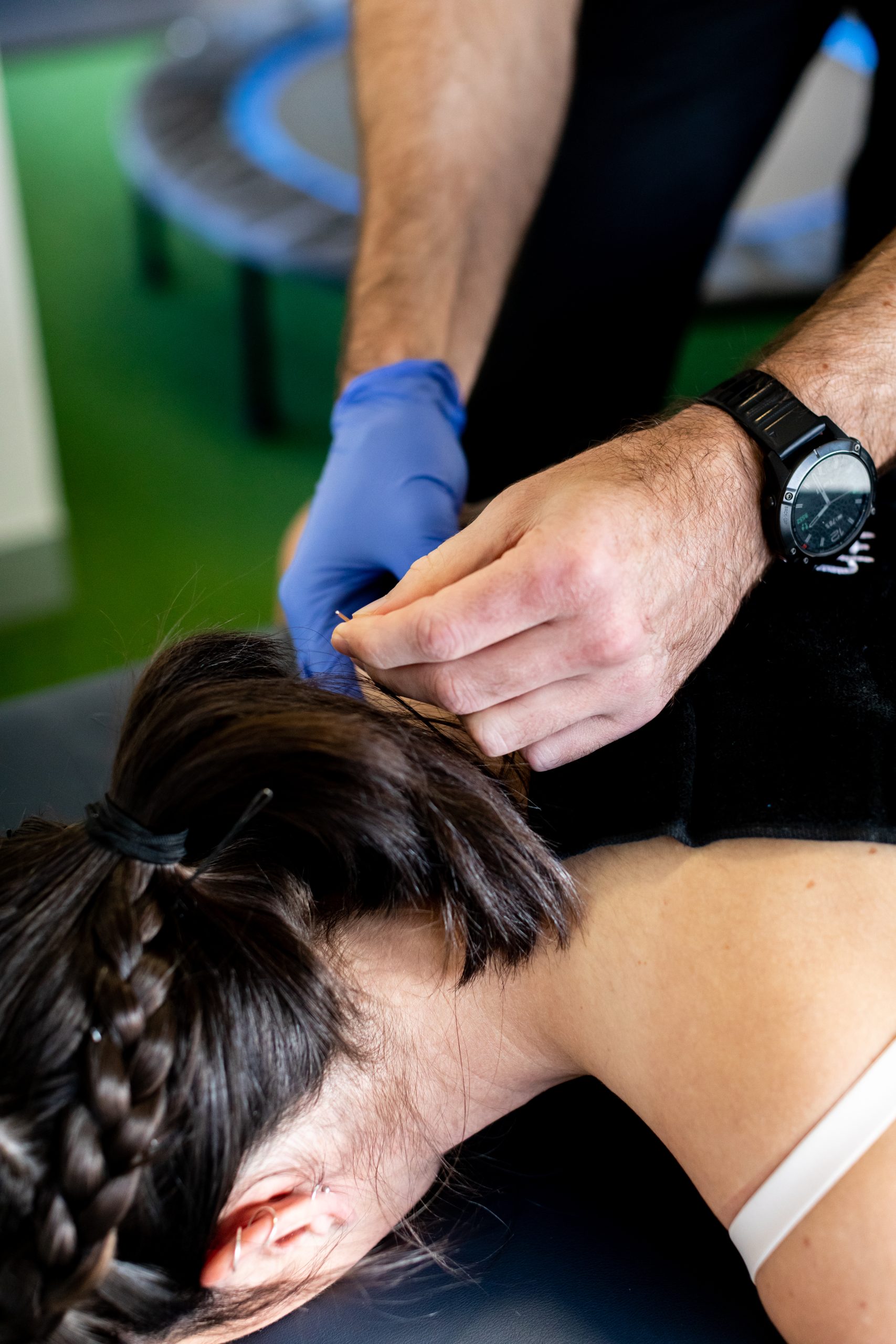 How We Approach It
The first step isn’t just to treat the area that feels stiff. It’s to understand why it’s happening.
That means looking at how you move, how you load your body day to day, and what might be contributing underneath the surface.
From there, we guide you through a plan that actually makes sense for you.
Sometimes that’s about settling things down.
Sometimes it’s about getting movement back.
Often, it’s about rebuilding strength in the right areas.
The goal isn’t just to get you out of discomfort – it’s to get you moving confidently again.
What Happens After It Settles
This is the part that often gets missed.
Once something feels better, it’s tempting to leave it there.
But that’s also why things tend to come back.
At O-health, we look at what comes next.
Once symptoms settle, the focus shifts to building your capacity – so your body can handle what you want to do without flaring up again.
That might involve:
strengthening specific areas
improving how you move under load
or progressing back into sport, work, or everyday activity properly
This is where our physios and exercise physiologists often work together – so you’re not just better for now, but better for the long term.
When Should You Do Something About It?
If something has been lingering, repeating, or changing how you move – it’s worth getting clarity.
Not because you need to stop everything.
But because you deserve to understand what’s going on, and what to do about it.
You don’t need to have all the answers before you come in.
That’s our job.
Take the First Step
If you’re not sure whether what you’re feeling is normal – that’s exactly when it’s worth checking.
Start with a physio appointment.
From there, we’ll guide you through the next step – whether that’s treatment, building strength, or putting a longer-term plan in place.
Because the earlier you understand it, the easier it is to deal with.
And the more confidently you can keep moving.